
Our groups teach kids how to connect, empathize, and build friendships, all while having fun.
Social skills that stick
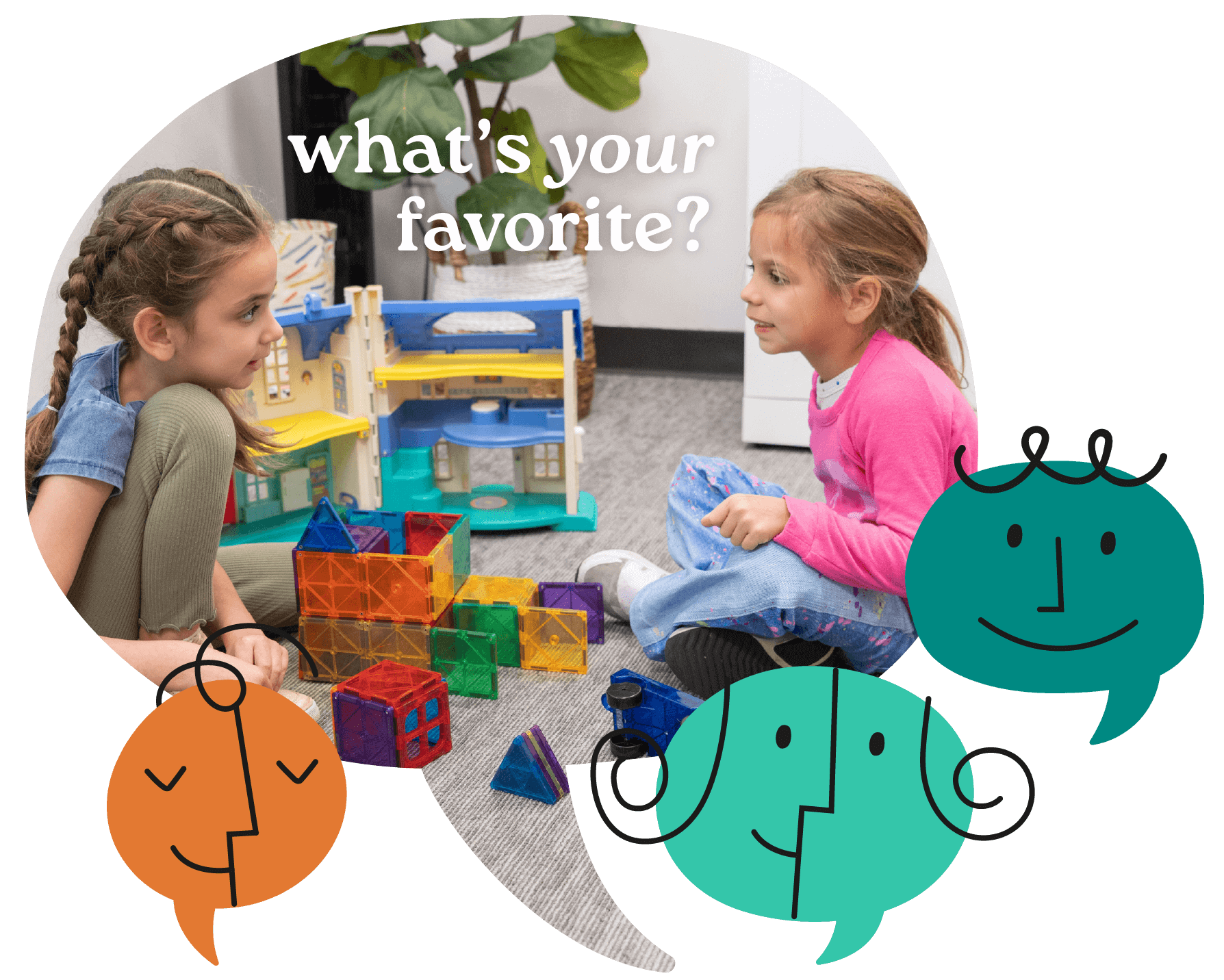
Making friends is a skill that can be learned
Sometimes, it’s hard to know what’s behind your child’s social struggles. Whether they seem too passive, too directive, or miss subtle social cues, it can be tough to tell what’s really going on. Some children make friends easily but have trouble keeping them. Wherever your child is socially, we meet them there—teaching the skills that foster growth and help them feel more comfortable with peers.
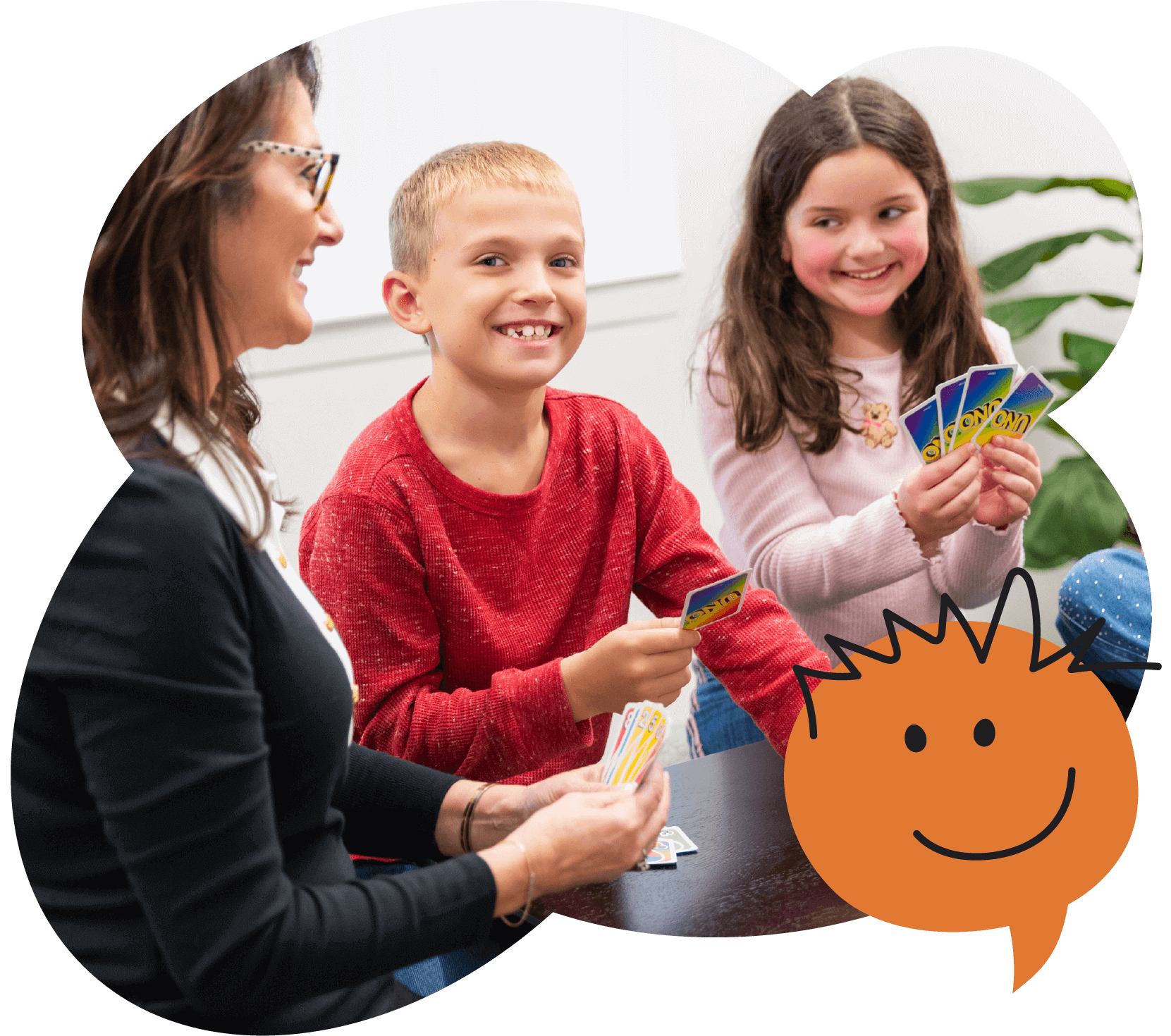
We teach social skills through engaging lessons backed by decades of psychological research.
Our Friendship Building Group is a 10-week social skills development program that helps kids build new skills through an evidence-based curriculum and a cognitive-behavioral therapy model. With more than 30+ years of combined experience, Dr. Fern and Dr. Kristin alongside their expert staff guide and help kids practice friendship-building skills in a safe and fun environment.
Greetings
Small talk
Staying on topic
Active Listening
Sharing
Taking turns
Playdates/hangouts
Reciprocity in conversation
Praise
Following directions
Asking for help
Shared interests
Skills we work toward enhancing
Follow up questions
Self-expression
Managing emotions
Reflection
Personal Space
Group dynamics
Flexibility
Problem solving
Perspective taking
Social cues
Keeping friends
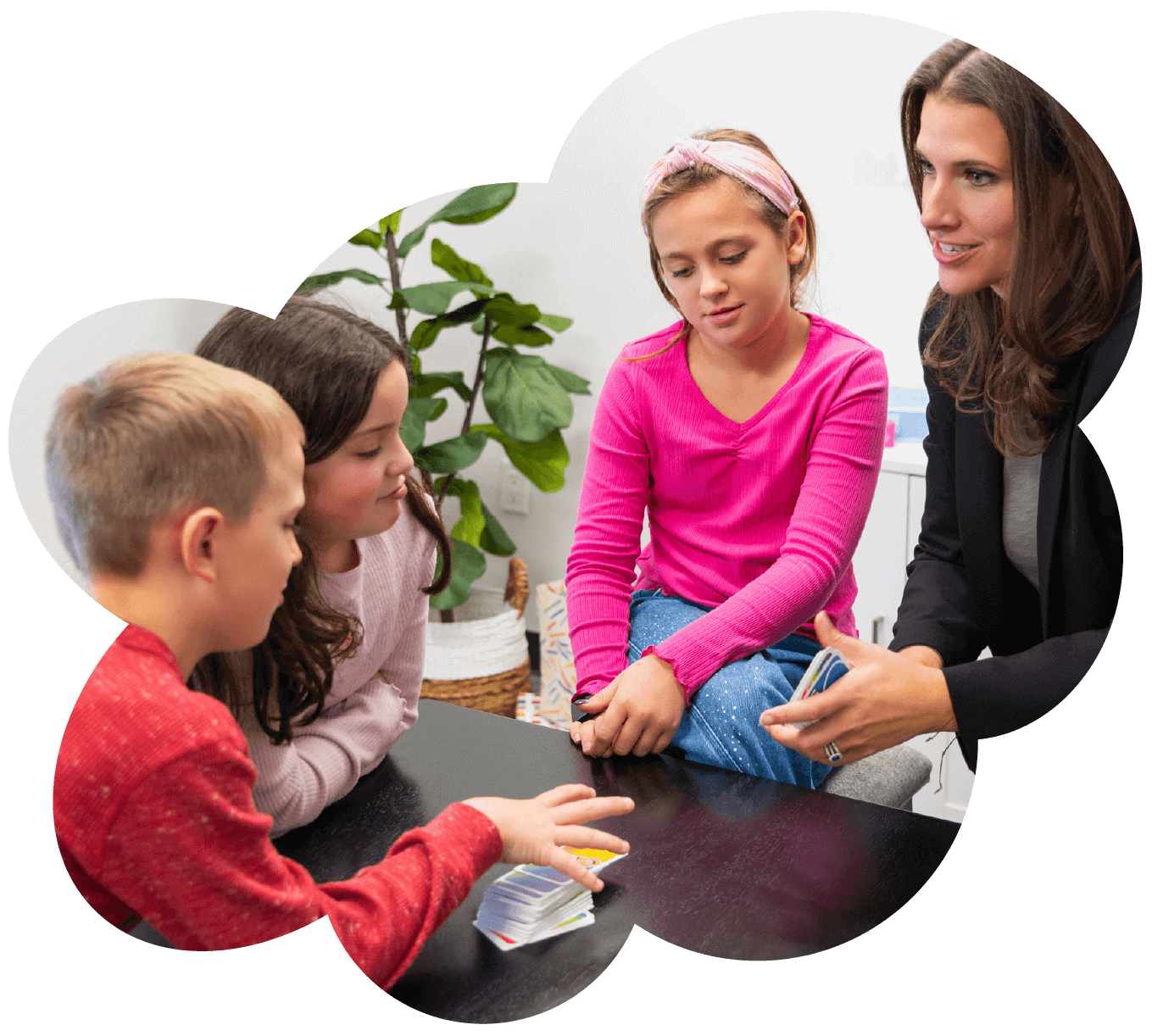
Happy Clients
“Both of our kids are in different groups and since joining, we’ve seen so much growth — not just in their confidence, but also in their flexibility and their ability to navigate social situations more smoothly. They’ve become better at handling unexpected changes and group dynamics, and what’s been especially encouraging is seeing these skills carry over into everyday life, not just within the group.”
Tools we like to practice
-

Slipping into a conversation
-

Coping strategies
-

Being a social detective
-

Self-control
-

Flexible thinking strategy
-

Kindly rephrasing our thoughts
-

Giving and receiving compliments
-

Reading social cues
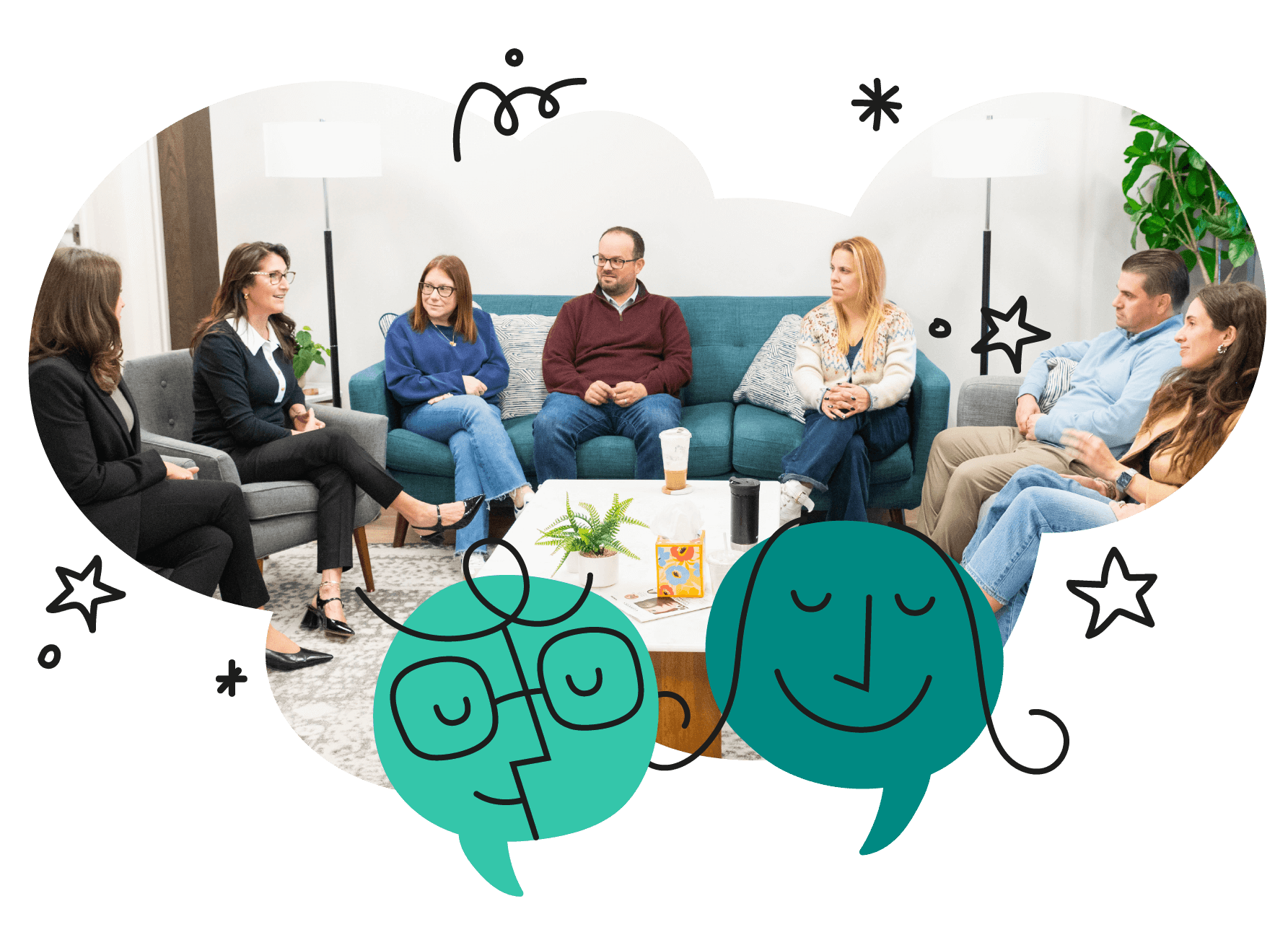
Parents learn, too.
While your child is in a group program, you’ll also attend an every-other-week parent training and support group led by a licensed psychologist, to help your child develop new skills for making and keeping friends. The facilitator of your parent group is the same licensed psychologist who supports your child’s group, so you’ll get guidance from someone who genuinely knows your child.
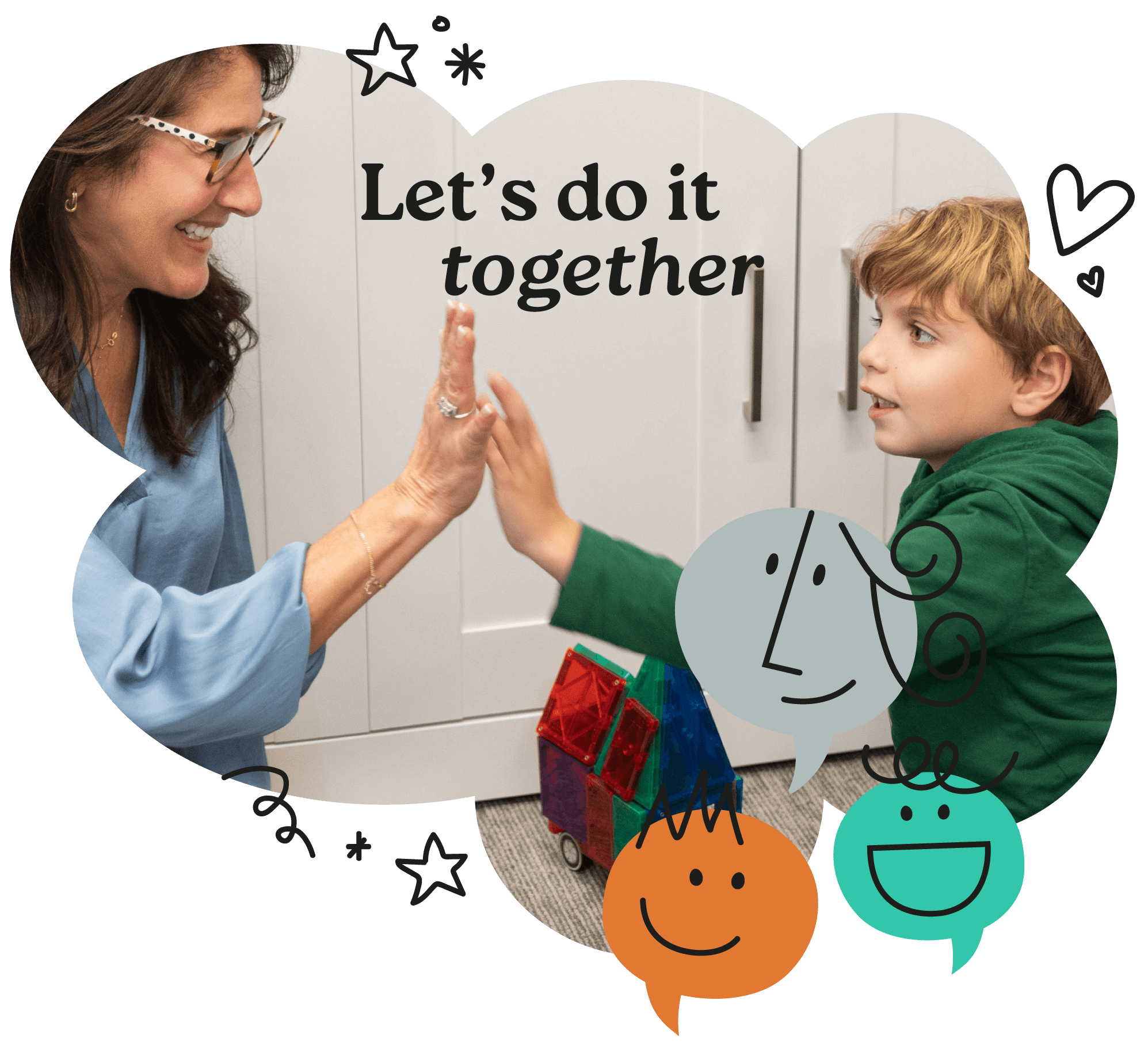
Rooted in research and led by experienced psychologists, our program draws partially from the Think Social curriculum and UCLA’s Children’s Friendship Training Program—two evidence-based approaches to teaching social skills. Additionally, we incorporate a cognitive-behavioral therapy (CBT) model for learning and practicing new skills. We also develop our own lessons based on the kids we’re serving, tailoring our program to meet their specific needs. We’re committed to helping each child feel more confident in connecting with others.
Available weekly sessions on Tuesdays, Wednesdays, and Saturdays
We offer 10-week sessions in the fall, winter, and spring, and a 6-week session in the summer. Our weekly group sessions take place on Tuesdays or Wednesdays, beginning at 5:00 p.m., 6:00 p.m., or 7:00 p.m. We also offer group sessions on Saturday mornings at either 9:00 a.m. or 10:00 a.m. Assignment to a group will be determined following a brief screening process.
Our program combines evidence-based programs and clinical expertise
Success Stories
“We have had the privilege of being a part of the friendship group community. Our daughter has a history of social and communication delays and really needed to learn these friendship building skills so that she can communicate, play, and interact more easily with her friends. She has the ability to express herself nicely, although her social skills have always been lagging. Friendship building group has given my daughter the tools to make and keep new friends, both at school and during extracurricular activities. As her mom, I have also learned so many ways to help her use the skills taught to her and we practice these skills daily. The support and education has been phenomenal. I highly recommend friendship building group to everyone!”
Ready for a screening?
We offer a complimentary in-person screening before joining a group session to ensure it’s the right fit for your child or teen. This helps us understand their unique strengths, challenges, and goals, and ensures they’ll benefit from the group experience.
Unfortunately, we do not accept insurance at this time; however, we’re happy to provide insurance-friendly invoices upon request at the end of your child’s participation. Many families choose to submit these to their insurance providers for potential reimbursement. If you’d like to learn more about our fees, please don’t hesitate to reach out—we’d be happy to hear from you.